
Ireland’s Response to the Asylum Seeker Housing Crisis: Immediate Measures and Long-term Strategies
Ireland is facing a pivotal moment in addressing the escalating asylum seeker housing crisis. With over 1,000 international protection applicants currently lacking shelter, the government is under pressure to unveil a new housing strategy.
In response to the pressing need for accommodation, the government is exploring innovative short- to medium-term solutions. These include converting empty properties into living spaces for immediate relief and utilising prefabs and marquee-style units on state land for medium-term housing. The focus is on ensuring the safety and comfort of asylum seekers amidst the urgency of the situation.
The selection of locations for new housing centres has become a politically sensitive issue, particularly with local elections on the horizon. Efforts to expedite the process and move away from temporary housing options like student accommodation have faced internal tensions and criticism for a lack of detailed planning. However, the immediate need to provide shelter to vulnerable asylum seekers, including families and female applicants, highlights the gravity of the crisis.
Reactions to the delayed housing plan and proposed measures vary across the public and political spectrum. While some commend the government’s exploration of innovative solutions, others criticise the delay and call for swifter action. The broader context of Ireland’s enduring housing crisis is underscored by the challenges faced in accommodating asylum seekers, emphasising the need for comprehensive reform in the nation’s housing policies.
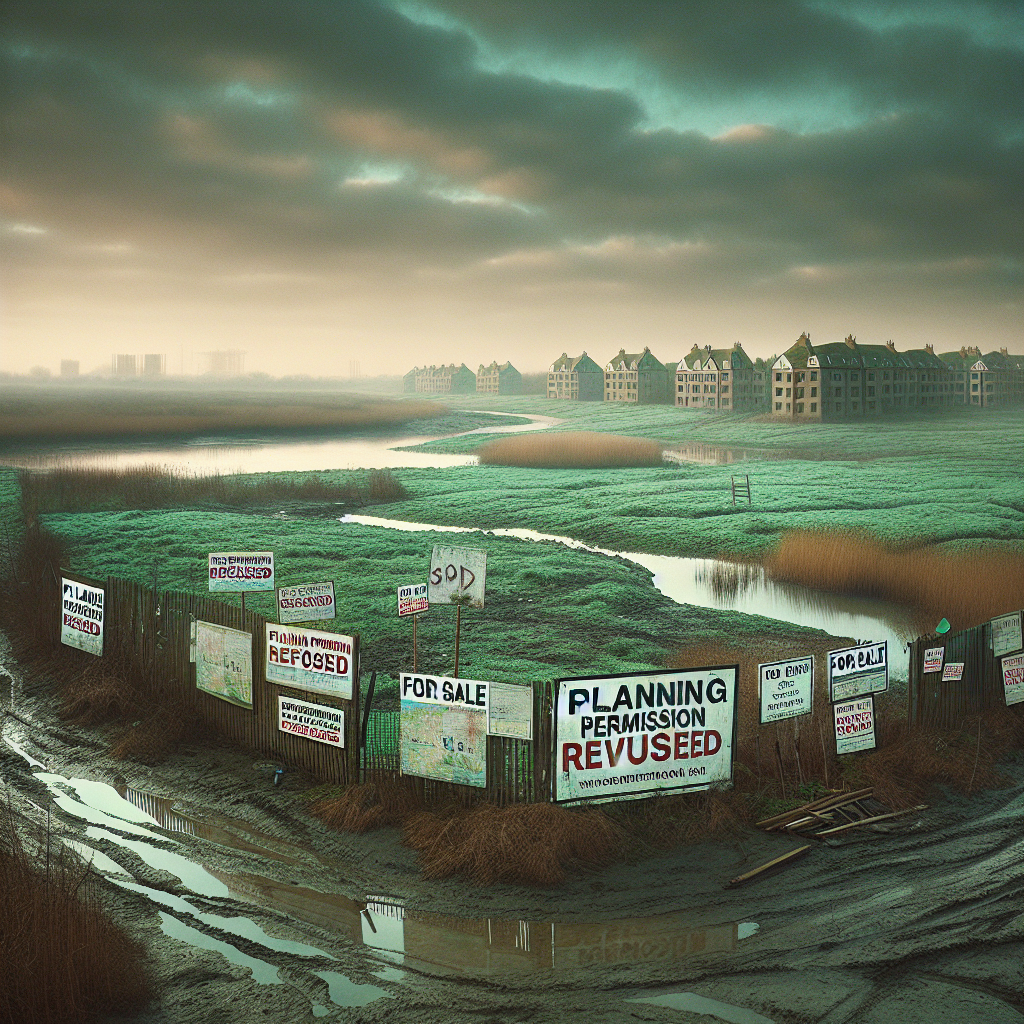
Notably, the revised rules for planning permission suggest a streamlined approach tailored to the urgent need for asylum seeker accommodations. As per a recent document outlining temporary planning regulations, the government may convert existing buildings into living spaces without the usual planning permissions, demonstrating flexibility in crisis response. The upcoming housing plan is expected to build on these revised rules, potentially utilising prefabs and other quick-assembly units on state land as medium-term solutions, bypassing traditional planning hurdles. The efficacy of such measures will soon be tested as they are rolled out, providing a litmus test for Ireland’s agility in legislative adaptation during humanitarian crises.
As Ireland grapples with the complexities of the asylum seeker housing crisis, the government’s revised strategy, though delayed, reflects a recognition of the urgent need for immediate relief and sustainable solutions. The upcoming weeks will be pivotal in evaluating the effectiveness of the government’s response and its impact on the lives of those seeking refuge within Ireland’s borders.