
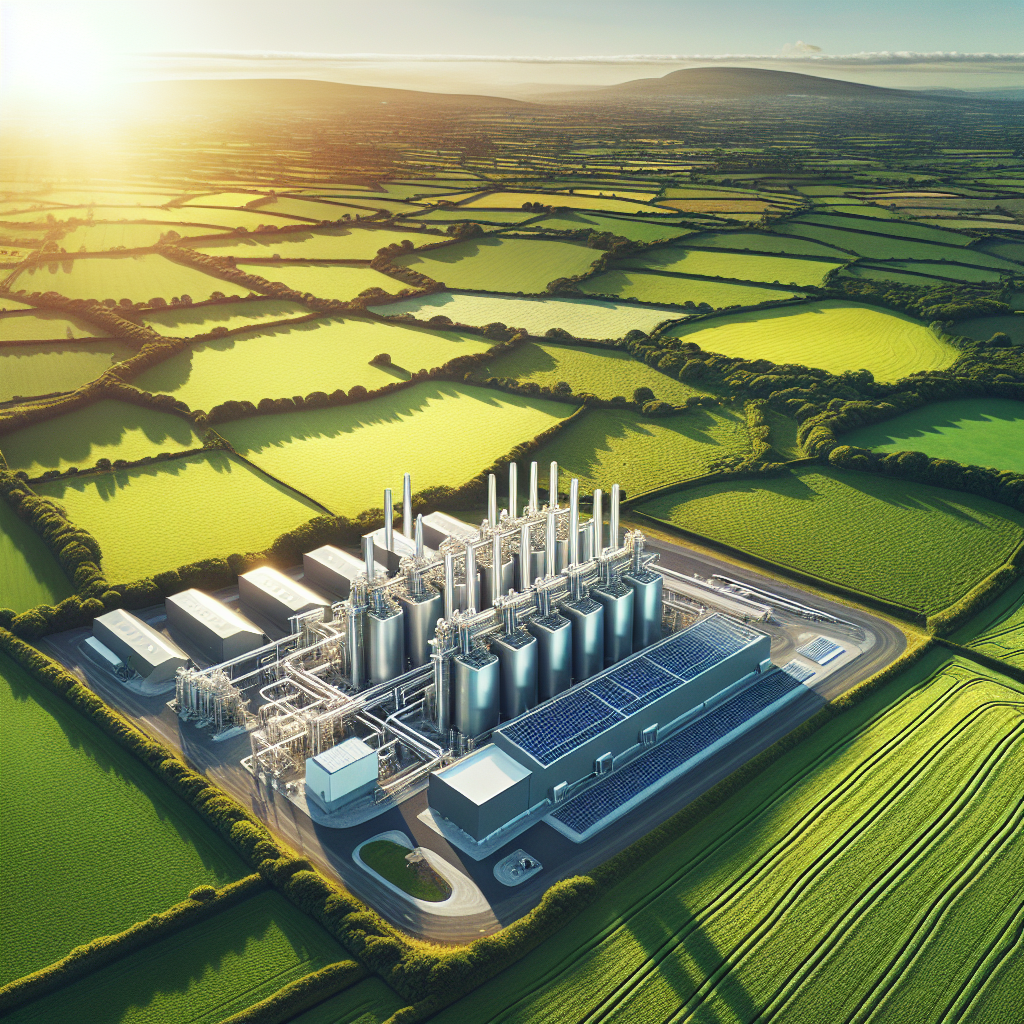
Planning Permission and Biomethane: Ireland’s Path to Decarbonise Energy
Facing environmental challenges, Ireland is increasingly turning to biomethane to meet its decarbonisation goals while navigating complex planning permission processes.
Biomethane, a renewable gas produced by upgrading biogas from organic materials like agricultural waste, plays a crucial role in reducing Ireland’s reliance on fossil fuels. It can be directly injected into the existing gas grid, offering a clean substitute for natural gas that supports the country’s Climate Action Plan aiming for net-zero emissions by 2050.
The Irish government targets producing up to 5.7 TWh of biomethane annually by 2030, potentially covering around 10% of the current national gas demand. Achieving this involves significant investment in infrastructure and new production facilities, most often requiring planning permission which is treated under the same framework as other renewable energy projects. Streamlined permit-granting procedures mandated by the EU Renewable Energy Directive encourage more efficient approvals, especially in renewables acceleration zones, where decisions on projects like biomethane plants must be completed within one to two years.
Key developments such as the Powerstown biomethane plant in County Carlow highlight the sector’s potential for rural development, energy security, and environmental benefits. These projects create jobs, reduce methane emissions from farming, and support circular economy principles by returning treated digestate to farmland. However, obtaining planning permission requires careful consideration of environmental impact, flood-risk development, and alignment with regional housing scheme approvals. Areas of material contravention to existing plans can complicate the approval process, though renewable projects often benefit from being deemed in the overriding public interest.
The Renewable Heat Obligation introduced in 2024 further stimulates biomethane demand by requiring certain energy suppliers to use renewable heat sources. Combined with government support schemes, this framework encourages farmers and developers to invest in biomethane production, helping diversify rural income streams while contributing to Ireland’s energy transition.
Despite challenges like high upfront costs and limited grid infrastructure, biomethane’s integration into Ireland’s gas system offers a vital bridge toward a low-carbon future. An Bord Pleanála’s decisions on such projects must balance environmental impact assessments with the pressing need to decarbonise. With continued public-private partnerships and regulatory support, biomethane is positioned to remain a cornerstone of Ireland’s sustainable energy landscape.
Originally reported in on Wed, 15 Oct 2025 09:36:26 +0000. Full story